Skip to content
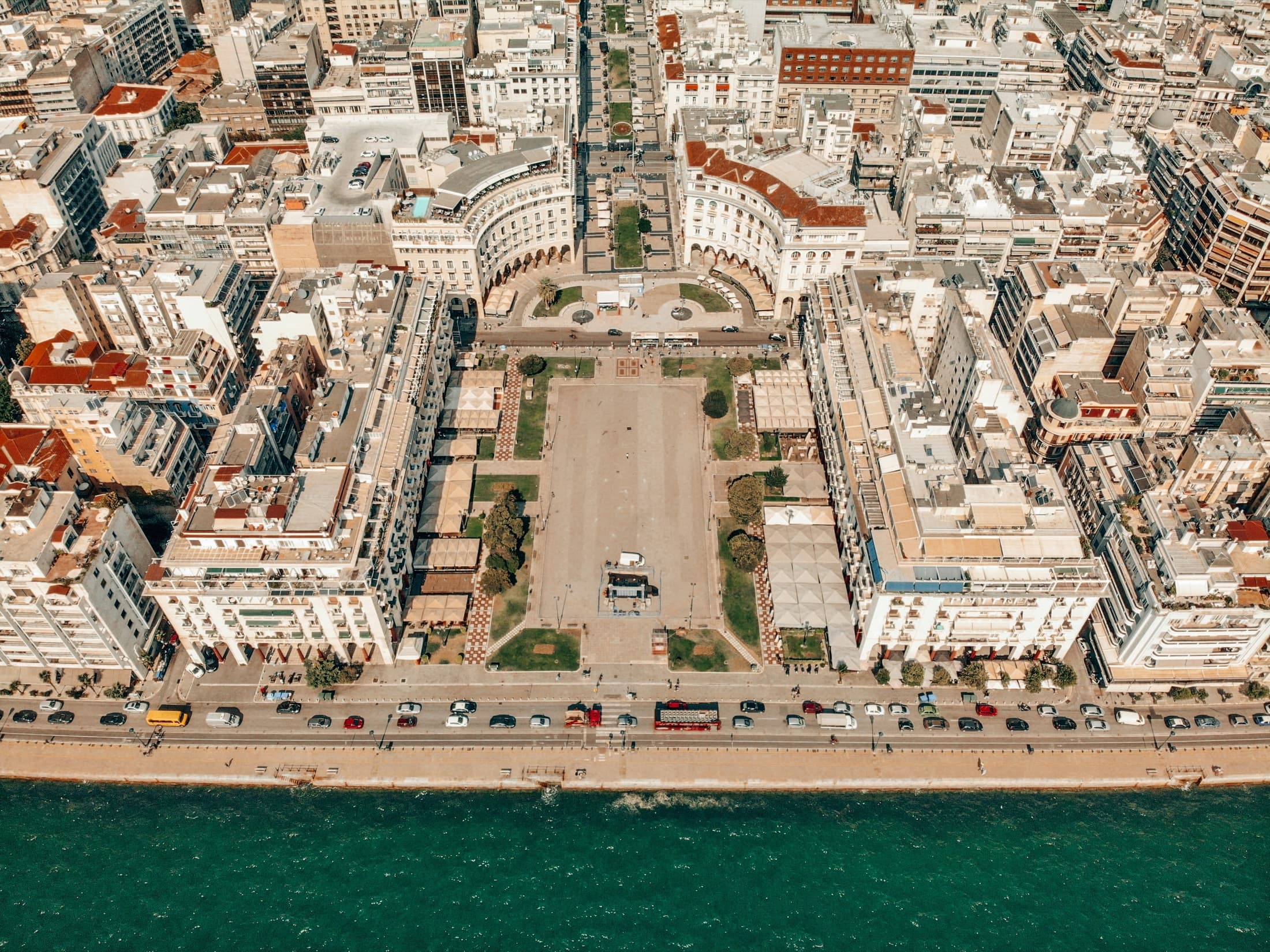
Aristotelous Square from above, in central Thessaloniki

Local guide

Things to do in Thessaloniki

2,300 years of history, the best food culture in Greece, and a seafront made for walking.

← The city

By Loena Luxury Suites. Updated August 2026.

Things to do in Thessaloniki: a local guide to the White Tower and seafront, Aristotelous and the markets, Roman and Byzantine monuments, Ano Poli, and Ladadika's meze, with an easy 2-3 day plan.

White Tower and the seafront walk

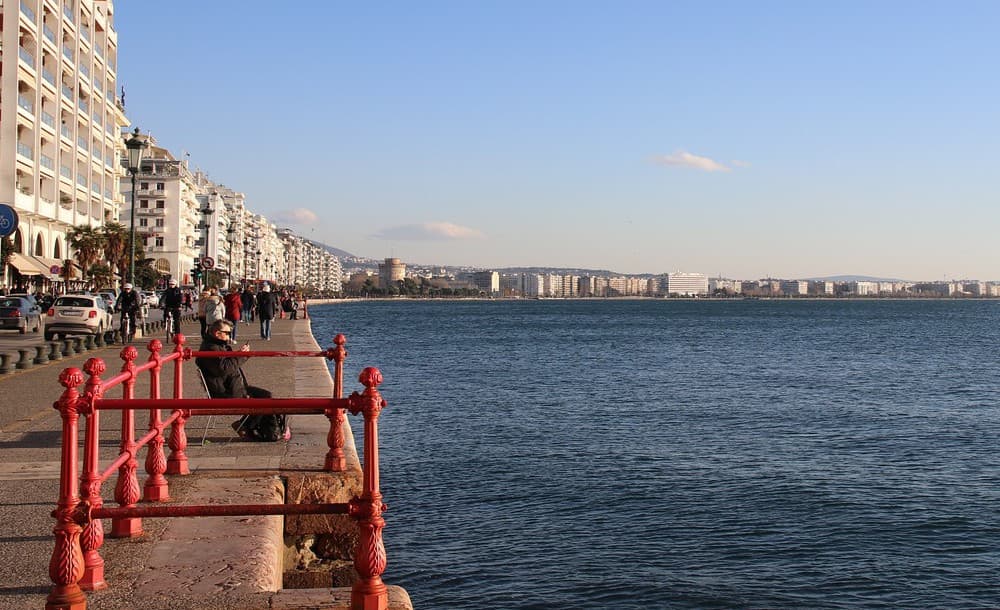
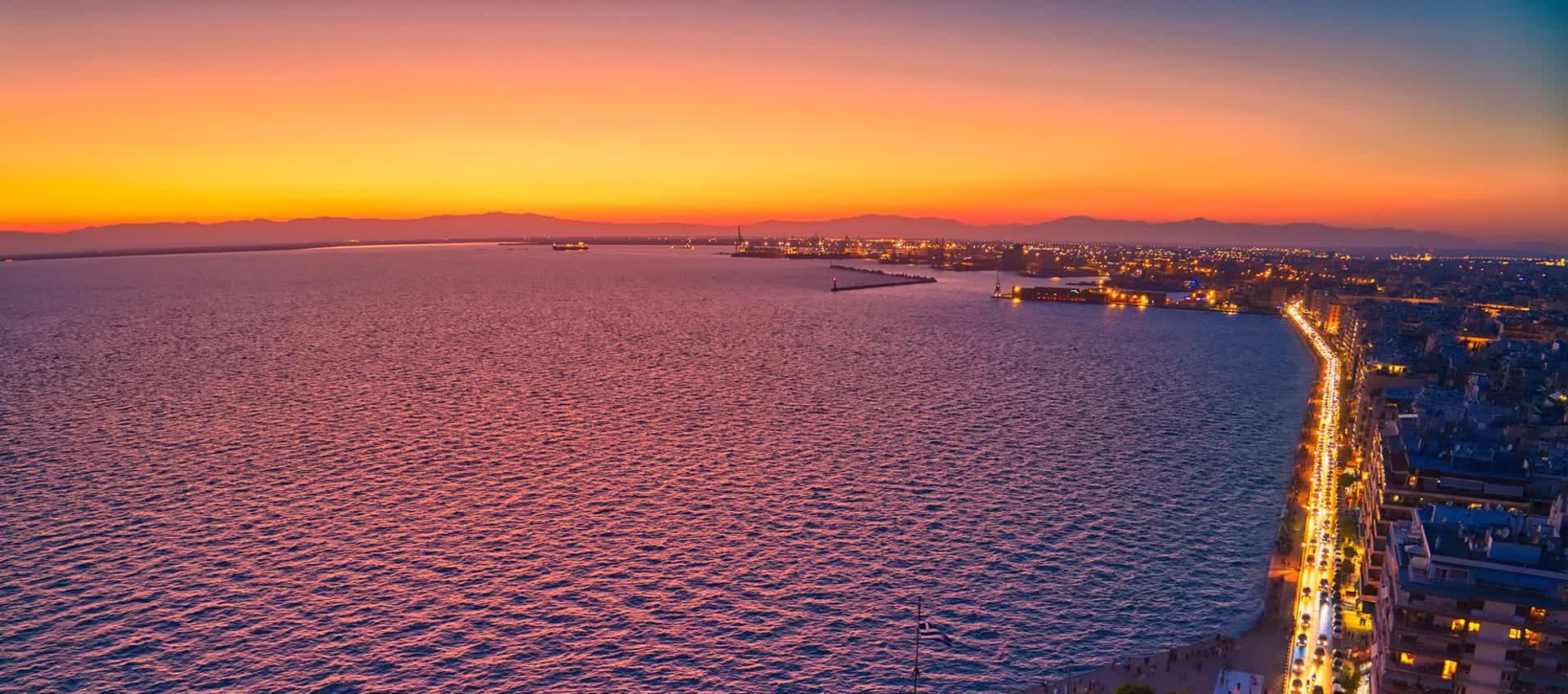
Start where the city meets the sea. The 15th-century White Tower is Thessaloniki's emblem; inside is a museum tracing the city's history, and the climb to the top opens a 360-degree view over the Thermaic Gulf, with Mount Olympus visible on a clear day. From the tower the Nea Paralia promenade runs for kilometres past gardens and sculptures, including Zongolopoulos's Umbrellas. Walk it slowly in the late afternoon, when locals come out to run, cycle, and watch the light fall across the water. It is the simplest, most rewarding thing to do here, and it costs nothing.

The Thessaloniki waterfront with the White Tower
  • White Tower museum and rooftop view
  • Nea Paralia promenade and the Umbrellas
  • Sunset over the Thermaic Gulf

Aristotelous Square and the markets

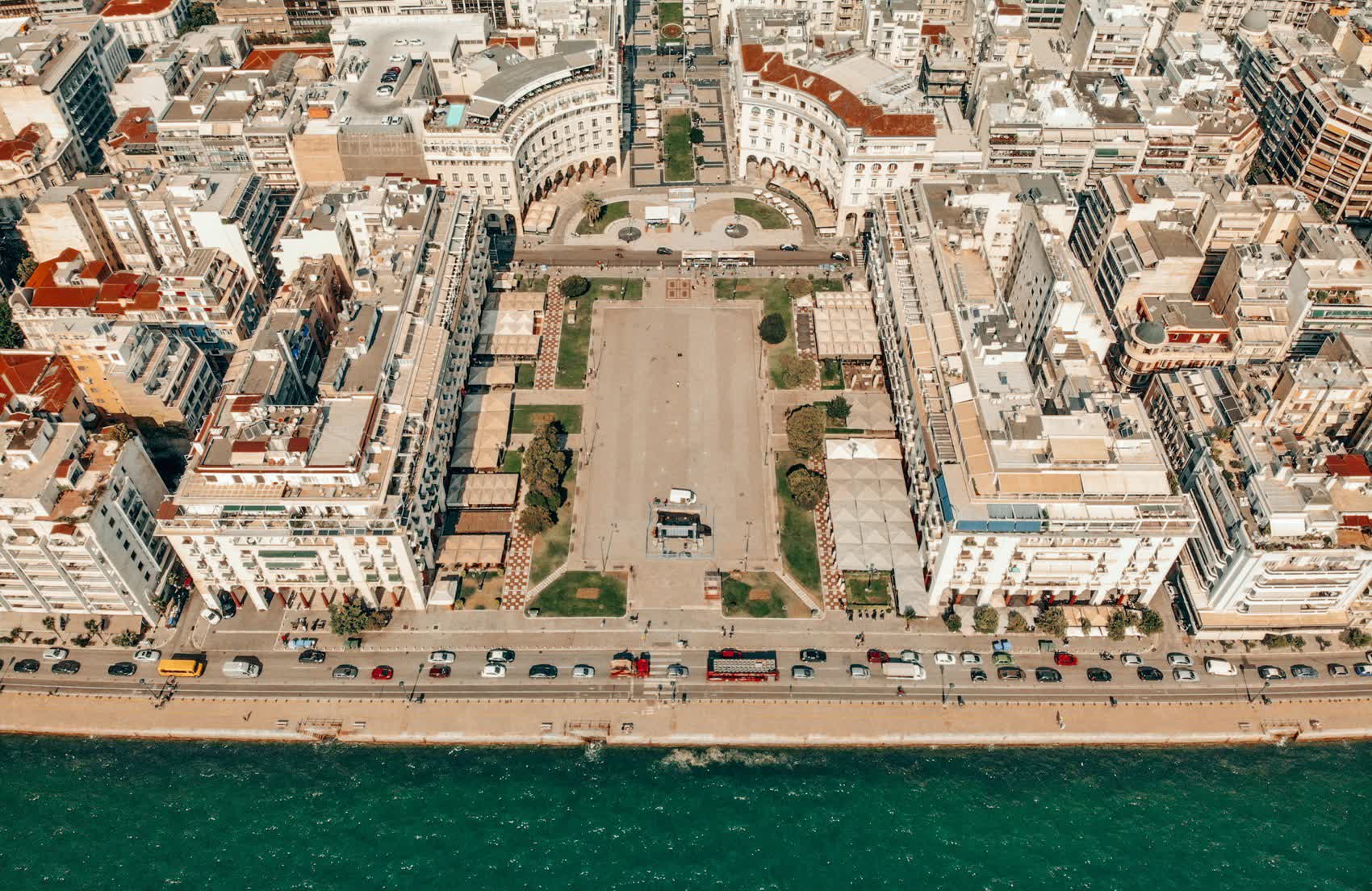
Aristotelous is the city's living room: a grand seafront square that opens onto the water at one end and climbs toward the upper town at the other. Treat it as a hub. A few minutes inland sit the markets, the best way to understand how Thessaloniki eats. The restored, glass-roofed Modiano Market is now a buzzing food hall of mezedopoleia and small producers, while the neighbouring open-air Kapani is the older, rawer bazaar, where you weave between stalls of fish, olives, spices, and cheese. Come hungry, browse without a plan, and let lunch happen.

The Aristotelous axis from above, running down to the seafront
  • Aristotelous Square and its arcades
  • Modiano Market food hall
  • Kapani open-air bazaar

Roman Thessaloniki: the Arch of Galerius, Rotunda, and Forum

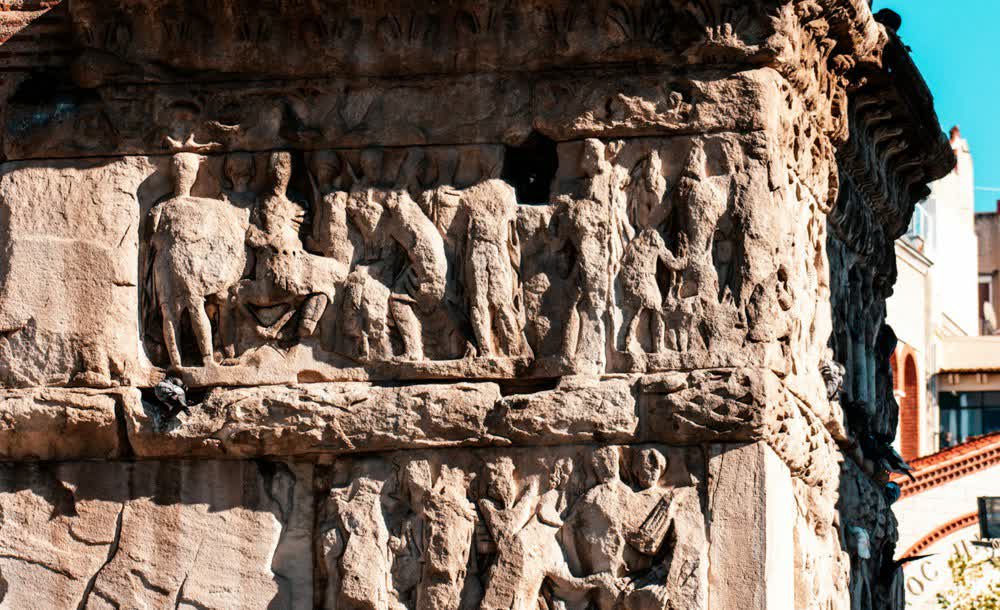
Layered beneath the modern city is a Roman capital. The Arch of Galerius, known locally as Kamara, still carries detailed battle reliefs and marks the meeting point of two busy streets. A short walk uphill stands the Rotunda, a vast early-4th-century domed monument that has served in turn as temple, church, and mosque; together they are UNESCO-listed. Closer to the centre, the open-air Roman Forum reveals an ancient marketplace and an underground gallery. Seeing all three in one easy loop gives you the city's 2,300-year backbone in an afternoon, with the modern streets carrying on around them.

The reliefs of the Arch of Galerius (Kamara)
  • Arch of Galerius (Kamara) reliefs
  • The Rotunda's monumental dome
  • Roman Forum and its underground gallery

Ano Poli and the walls at sunset

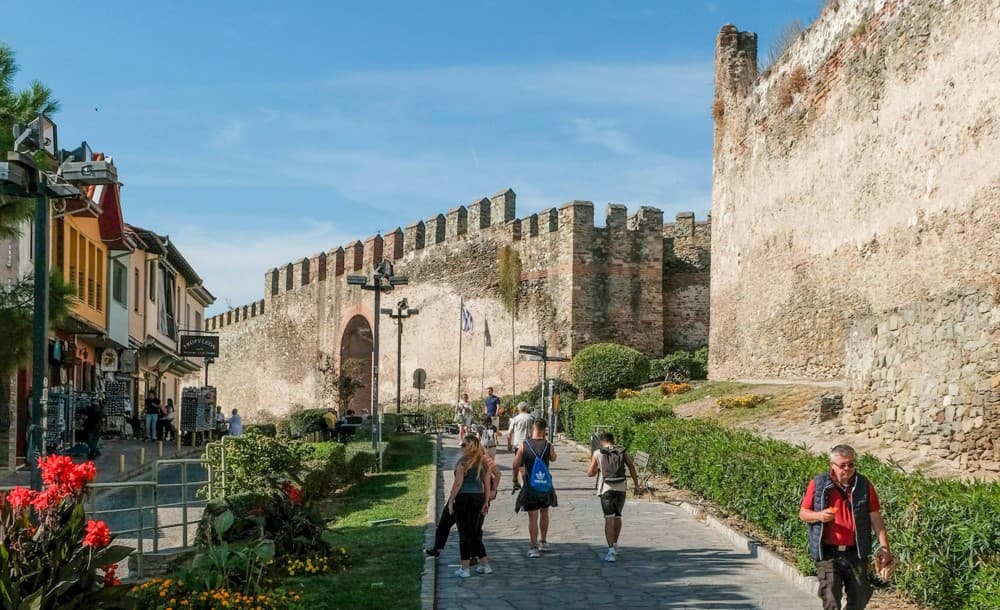
Climb to Ano Poli, the Upper Town, the Ottoman-era quarter that largely escaped the great fire of 1917. A short taxi spares your legs the steepest stretch; from there, wander the cobbled lanes and timber houses up to the Byzantine walls. The Trigonion Tower and the Heptapyrgion fortress crown the ridge, and the whole city tips down toward the gulf below you. This is the finest sunset viewpoint in Thessaloniki, best reached an hour before dusk so you can settle into a small kafeneio, order something cold, and simply watch the light go.

The Byzantine walls of Ano Poli
  • Byzantine walls and the Trigonion Tower
  • Heptapyrgion fortress
  • The city's best sunset panorama

The UNESCO Byzantine churches and the museums

Thessaloniki holds one of the great concentrations of Byzantine architecture, fifteen monuments inscribed by UNESCO. Agios Dimitrios, dedicated to the city's patron saint, is the largest; do not skip the crypt where he was martyred. Nearby stand Agia Sofia and the small, mosaic-rich Panagia Chalkeon. When the weather turns, the Archaeological Museum and the Museum of Byzantine Culture sit side by side near the White Tower and reward a half-day each. Between the open churches and the two museums you can read the city's Roman, Byzantine, and modern chapters in sequence, all within the flat central core.

  • Agios Dimitrios and its crypt
  • Agia Sofia and Panagia Chalkeon
  • Archaeological and Byzantine Culture museums

Food as an activity: meze culture in Ladadika

In Thessaloniki, dinner is an evening, not a meal. The old olive-oil quarter of Ladadika, a tight grid of pedestrian lanes that survived the 1917 fire, is where the city does this best. Sit down in a tsipouradiko and order in rounds: small plates of grilled octopus, mussels saganaki, soutzoukakia, and fava arrive slowly, with tsipouro or ouzo keeping pace. Nothing is rushed. Midweek you can usually walk in; on Friday and Saturday the good tables go early and the lanes stay lively well past midnight. Save room for trigona panoramatos, the city's signature cream-filled sweet.

The seafront boulevard at sunset
  • Seafood mezedes with tsipouro
  • Soutzoukakia, fava, and shared small plates
  • Trigona panoramatos to finish

A simple plan, and where to base yourself

Two to three days is the sweet spot. Day one: Aristotelous, the Roman Forum, the Rotunda, the markets for lunch, then the White Tower and a seafront sunset. Day two: Agios Dimitrios and the Byzantine churches, Ano Poli for the views, dinner in Ladadika. Day three, if you have it: the museums, the Umbrellas, or a day trip to Vergina or Halkidiki. Almost everything sits within a fifteen-minute walk of Ladadika, which is exactly why it makes the easiest base for sightseeing. Loena Luxury Suites sits inside the quarter, minutes from Aristotelous, with full-kitchen suites and self check-in.

The monuments, on foot

Walking times from 13 Ernestou Emprar, at an ordinary pace.
MonumentWhat it isOn foot
Ρωμαϊκή ΑγοράAncient agora, odeon, underground museum11 min
Αγία ΣοφίαUNESCO, 7th century, dome mosaics14 min
Άγιος ΔημήτριοςUNESCO, 5th century, martyrdom crypt16 min
Μέγαρο Μουσικής ΘεσσαλονίκηςInaugurated 2 January 2000, a 1,400-seat hall18 min
Αψίδα ΓαλερίουUNESCO, Roman axis, Galerius campaign reliefs20 min
Ροτόντα4th century, UNESCO, the city's only surviving minaret21 min
Λευκός ΠύργοςMuseum and city panorama23 min
Βασιλικό Θέατρο1940 building, 683 seats, rebuilt 200023 min
Προφήτης ΗλίαςUNESCO, Athonite plan, free entry24 min
Άγαλμα Μεγάλου ΑλεξάνδρουEvangelos Moustakas, 1974, 6.15 m of bronze27 min
Θεματικοί κήποι Νέας ΠαραλίαςA 3.5 km redevelopment, amphitheatre in the Garden of the Seasons27 min
Βυζαντινό ΛουτρόUNESCO, the one secular building on the list, in use as a bath until 194028 min
Όσιος ΔαβίδUNESCO, the Ezekiel vision mosaic, free entry29 min
Ομπρέλες ΖογγολόπουλουG. Zongolopoulos, restored with new lighting 2025-2631 min
Μονή ΒλατάδωνUNESCO, founded 1351-1371, seat of the Patriarchal Institute of Patristic Studies since 196831 min
Μουσείο Βυζαντινού ΠολιτισμούEuropean Museum of the Year 200532 min
Άγιος Νικόλαος ΟρφανόςUNESCO, wall paintings of 1310-1320, free entry32 min
Τείχη & ΕπταπύργιοByzantine walls, Trigonion Tower, free panorama35 min

Sights

Μουσείο Βυζαντινού ΠολιτισμούMuseum of Byzantine Culture

Nea Paralia — 32 min walk

The museum of Byzantine Thessaloniki, in Kyriakos Krokos's building behind Nea Paralia.

European Museum of the Year 2005

Λευκός ΠύργοςWhite Tower

Nea Paralia — 23 min walk

The city's landmark and history museum, at the start of the Nea Paralia waterfront.

Museum and city panorama

ΡοτόνταRotunda

Roman & Byzantine city — 21 min walk

4th-century Roman rotunda — later a church and mosque — with early-Christian mosaics. UNESCO.

4th century, UNESCO, the city's only surviving minaret

Αψίδα ΓαλερίουArch of Galerius

Roman & Byzantine city — 20 min walk

Galerius's Roman triumphal arch ("Kamara") — the city's meeting-point landmark, on the ancient Roman axis. UNESCO.

UNESCO, Roman axis, Galerius campaign reliefs

Άγιος ΔημήτριοςAgios Dimitrios

Roman & Byzantine city — 16 min walk, uphill

The basilica of the city's patron saint with its martyrdom crypt — UNESCO Early Christian and Byzantine monuments.

UNESCO, 5th century, martyrdom crypt

Αγία ΣοφίαAgia Sofia

Roman & Byzantine city — 14 min walk

Seventh-century Byzantine church with ninth-century dome mosaics — one of the city's 15 UNESCO monuments.

UNESCO, 7th century, dome mosaics

Ρωμαϊκή ΑγοράRoman Forum

Roman & Byzantine city — 11 min walk

The ancient agora and odeon, above the modern centre — freely visible from street level, restored odeon hosts summer shows.

Ancient agora, odeon, underground museum

Τείχη & ΕπταπύργιοWalls & Eptapyrgio

Ano Poli — 35 min walk, uphill

The Byzantine city walls and the Yedi Kule fortress — the city's best view from the Trigonion Tower, open 24/7 and free.

Byzantine walls, Trigonion Tower, free panorama

Ομπρέλες ΖογγολόπουλουUmbrellas

Nea Paralia — 31 min walk

Zongolopoulos's monumental stainless-steel "Umbrellas" sculpture on Nea Paralia — restored and re-lit in May 2026, the seafront's most photographed landmark.

G. Zongolopoulos, restored with new lighting 2025-26

Μέγαρο Μουσικής ΘεσσαλονίκηςThessaloniki Concert Hall

Nea Paralia — 18 min walk, by taxi

The city's concert hall at the far end of Nea Paralia, 25is Martiou and the seafront — the 1,400-seat M1 building and Arata Isozaki's M2.

Inaugurated 2 January 2000, a 1,400-seat hall

Βασιλικό ΘέατροRoyal Theatre

Nea Paralia — 23 min walk

The National Theatre of Northern Greece's stage on Plateia Lefkou Pyrgou, a 1940 building by Konstantinos Doxiadis — 683 seats and a café facing the tower.

1940 building, 683 seats, rebuilt 2000

Άγαλμα Μεγάλου ΑλεξάνδρουAlexander the Great Monument

Nea Paralia — 27 min walk

Evangelos Moustakas's mounted Alexander, standing since 1974 at the start of Nea Paralia — 6.15 m of bronze, with shields, sarissas and a relief of the battle of Issus.

Evangelos Moustakas, 1974, 6.15 m of bronze

Θεματικοί κήποι Νέας ΠαραλίαςNea Paralia Gardens

Nea Paralia — 27 min walk

The gardens strung along the promenade — of Alexander, of Sand, of the Seasons, of Water, of the Afternoon Sun with the Umbrellas. Playgrounds, courts and an open-air amphitheatre.

A 3.5 km redevelopment, amphitheatre in the Garden of the Seasons

Μονή ΒλατάδωνVlatadon Monastery

Ano Poli — 31 min walk, uphill

The one Byzantine monastery in the city still working, just outside the Acropolis walls at Eptapyrgiou 64. Its courtyard looks out over the whole city to the gulf.

UNESCO, founded 1351-1371, seat of the Patriarchal Institute of Patristic Studies since 1968

Άγιος Νικόλαος ΟρφανόςAgios Nikolaos Orphanos

Ano Poli — 32 min walk, uphill

A small early-fourteenth-century church in a walled yard on Irodotou by the eastern walls, holding the fullest set of wall paintings left in Thessaloniki. It opens for a few hours, and not every day.

UNESCO, wall paintings of 1310-1320, free entry

Όσιος ΔαβίδOsios David

Ano Poli — 29 min walk, uphill

The katholikon of the Latomou monastery, late fifth century, at the end of a dead-end street at Epimenidou 17. The Ezekiel-vision mosaic sits in the apse of the sanctuary.

UNESCO, the Ezekiel vision mosaic, free entry

Προφήτης ΗλίαςProfitis Ilias

Ano Poli — 24 min walk, uphill

A Byzantine church on a rock outcrop at Olympiados 53, the only one in Thessaloniki built to the Athonite plan. It is the first monument you meet on the way up.

UNESCO, Athonite plan, free entry

Βυζαντινό ΛουτρόByzantine Bath

Ano Poli — 28 min walk, uphill

The one public Byzantine bath left in the city, on the block between Theotokopoulou and Krispou — antechamber, warm room, hot room and cistern, all in place. It opens for a few hours a week.

UNESCO, the one secular building on the list, in use as a bath until 1940

Frequently asked questions

How many days do you need in Thessaloniki?

Two to three days is the sweet spot. Two days cover the essentials: the White Tower and seafront, Aristotelous and the markets, the Roman monuments, the Byzantine churches, Ano Poli at sunset, and a long dinner in Ladadika. A third day leaves room for the Archaeological and Byzantine Culture museums, the Umbrellas, or a day trip to Vergina or Halkidiki. The historic core is compact, so even a short stay rarely feels rushed.

Is Thessaloniki walkable?

Yes. The central core is flat and compact, and most of the main sights sit within a fifteen-minute walk of one another along or just behind the seafront. The one real climb is Ano Poli, the Upper Town, where a short taxi up and a gentle walk down is the comfortable way to do it. From a base in Ladadika you can reach Aristotelous, the markets, the port, and the start of the promenade entirely on foot.

What is the best area to stay while sightseeing?

Ladadika is hard to beat for a sightseeing trip. The old harbour quarter sits between Aristotelous Square and the port, so the markets, the seafront, and the start of the promenade are all a short stroll away, and the city's best meze tavernas are downstairs. The lanes are lively at night, especially at weekends, so light sleepers may prefer a stay set slightly back from the busiest bar streets. Loena Luxury Suites is in the quarter, minutes from Aristotelous.

Thessaloniki is waiting for you.

Book direct, 10% below our own platform rate.